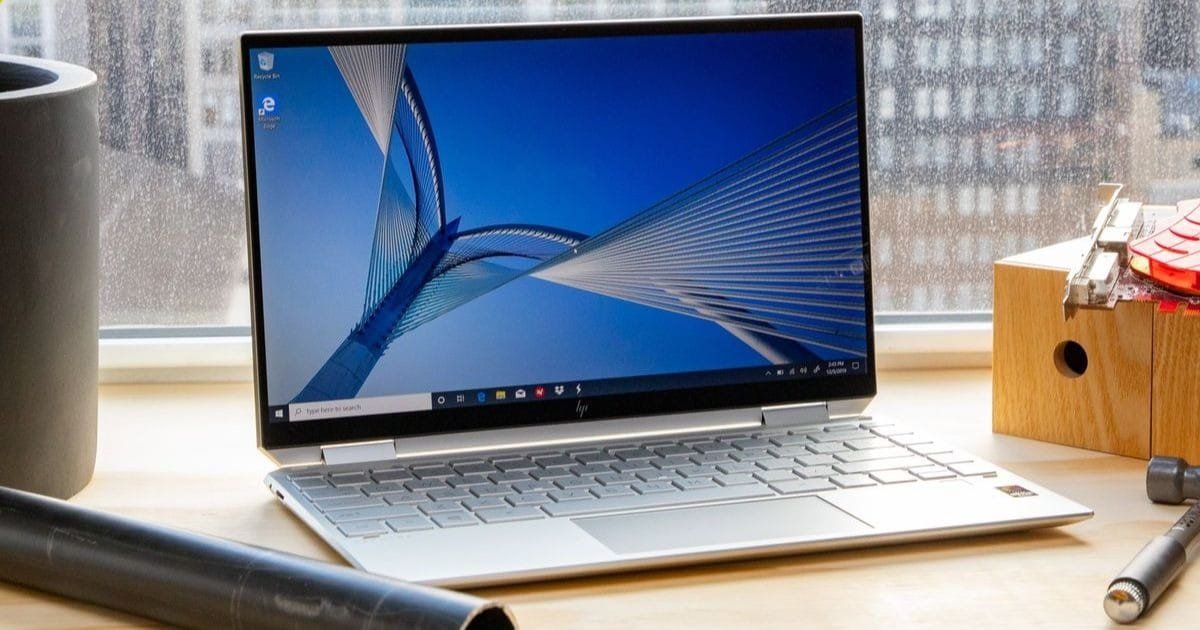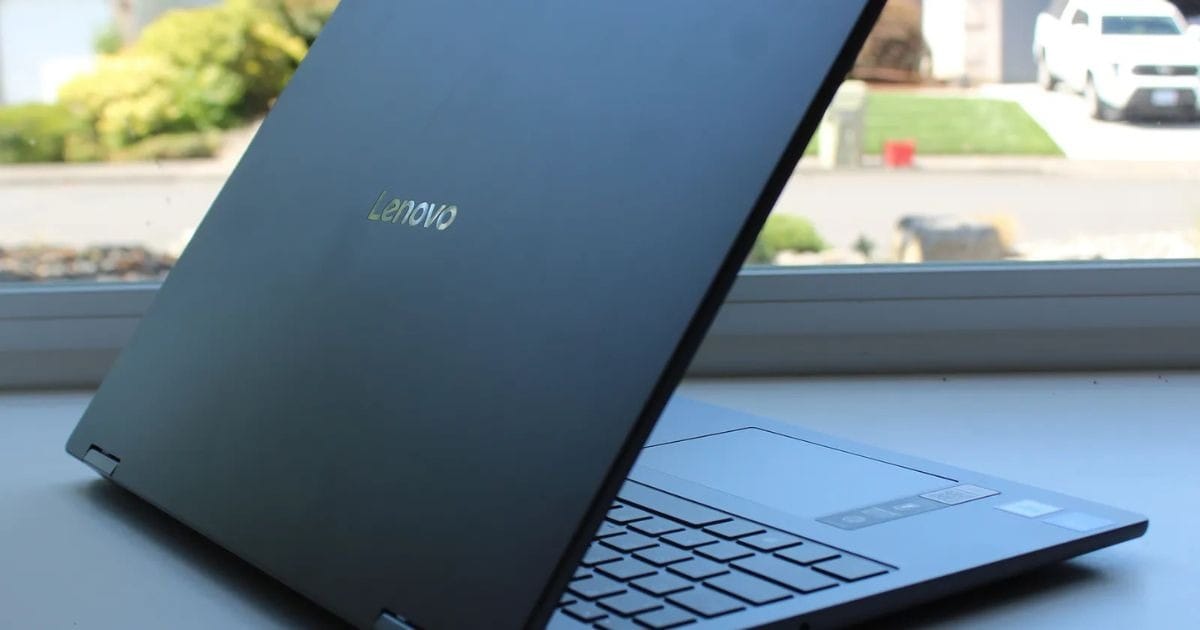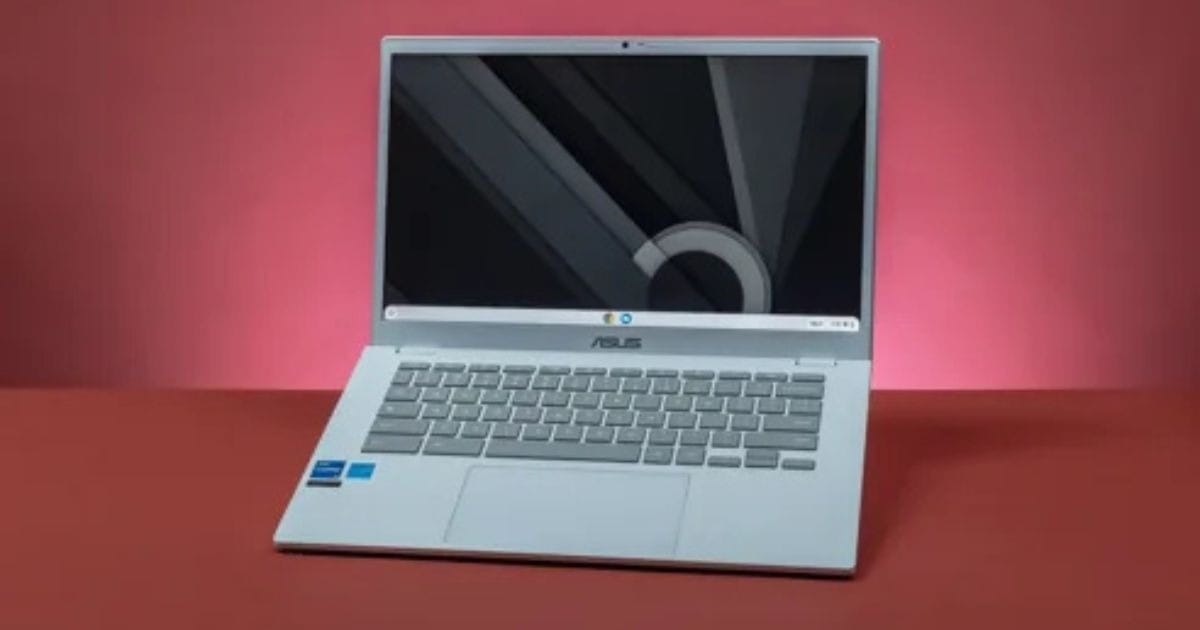

Graphic design can be an exciting and creative field, but getting started often comes with one big challenge: finding the right laptop without breaking the bank. Many beginners think they need expensive, high-end machines to handle design software like Photoshop, Illustrator, or Canva. The good news? You can get powerful performance at an affordable price. In this guide, we’ll explore the 10 best budget-friendly laptops ideal for graphic design beginners that strike a balance between speed, display quality, and portability without breaking the bank. Whether you’re a student, freelancer, or hobbyist, this article will help you make a confident, informed choice.
By the end of this guide, you’ll not only know which laptops offer the best value but also understand the key features to look for, compare options side by side, and discover actionable tips for getting the most out of your new machine. Say goodbye to guesswork and hello to your first budget-friendly design setup.
Why Choosing the Right Cheap Laptop Matters for Graphic Design

Choosing the right laptop is crucial when starting in graphic design. Even on a budget, a poorly chosen machine can slow you down, cause frustration, and limit your creativity. Cheap laptops vary widely in performance, display quality, and storage, and the wrong pick can make even simple design tasks difficult. For beginners, it’s important to strike a balance between affordability and capability.
A laptop that handles your design software smoothly allows you to focus on learning and creating, not waiting for programs to load. Additionally, a device with a good display ensures accurate colors and sharp visuals, which are essential for graphic projects. Many students and hobbyists overlook this, opting for the cheapest option available, only to face laggy performance or poor screen quality.
By understanding what makes a cheap laptop suitable for graphic design, you can invest wisely, avoid unnecessary upgrades, and start your design journey on the right foot. Even if you’re hunting for a cheap laptop for sale, knowing which features matter most will save you time, money, and stress.
Key Features to Look for in a Cheap Laptop for Graphic Design

When shopping for a cheap laptop for graphic design, certain features can make a huge difference in your workflow and experience:
- Processor (CPU): Look for at least an Intel i5 or AMD Ryzen 5 for smooth performance with software like Photoshop or Illustrator.
- RAM: 8GB is the minimum; 16GB is ideal for multitasking and handling larger projects.
- Storage: SSD storage ensures faster boot times and program loading. 256GB or higher is recommended.
- Graphics: A dedicated GPU helps with rendering, but many integrated GPUs on modern CPUs are sufficient for beginners.
- Display: Aim for a full HD (1920×1080) screen with good color accuracy. This is critical for design work.
- Portability & Battery: Lightweight laptops with long battery life are perfect for students or designers on the go.
By focusing on these features, you’ll ensure your budget-friendly laptop is both functional and reliable, allowing you to concentrate on learning and creating without unnecessary limitations.
10 Best Cheap Laptops for Graphic Design Beginners
Acer Aspire 5
Overview:
Acer Aspire 5 stands out as a well‑rounded budget laptop that balances performance and affordability ideal for students or beginners starting with tools like Adobe Photoshop, Canva, or light vector editing. Its modest price makes it one of the most accessible “cheap laptops” for graphic design without sacrificing basic usability.
Key Features:
- Full HD 15.6-inch display (suitable for design canvas)
- Intel/AMD processor (mid-range), enough for light to moderate design tasks
- SSD storage and decent RAM to handle design files and multitasking smoothly
Pros:
- Affordable yet capable, good value for money
- Balanced specs for everyday design work (student/freelancer level)
- Lightweight and portable, convenient for students or mobile work
Cons:
- Display and color accuracy are likely average, and you may struggle with professional‑grade color work.
- Not ideal for heavy graphic design tasks or large projects
- Integrated graphics limit rendering/advanced editing capabilities
Lenovo IdeaPad Slim 3
Overview:
Lenovo IdeaPad Slim 3 is a budget‑friendly option often recommended for learners or those starting in graphic design. It offers enough processing power and display quality for casual design work, making it a valid entry‑level “cheap laptop for sale” that can handle design software without big lag.
Key Features:
- 15.6″ FHD IPS display that supports basic design and layout work.
Adequate RAM + SSD storage (depending on configuration) for design tools and file storage. - Lightweight and budget‑conscious builds are good for students or early‑stage designers.
Pros:
- Affordable entry point for beginners
- Sufficient specs for light to moderate design tasks (posters, social media graphics, layouts)
Cons:
- Integrated graphics only not ideal for advanced rendering or large design projects
- Display may lack high color accuracy (not professional‑grade)
- Limited headroom for growth might require an upgrade sooner
HP 14s
Overview:
HP 14s is a compact and portable budget laptop suitable for UI/UX beginners, logo design, or light photo editing. Its small size and affordability make it a convenient “beginner’s design laptop” especially for students or casual creators working on the go. According to local budget‑laptop lists, it’s considered a valid starter machine.
Key Features:
- For mobile design work, the 14″ FHD IPS monitor has a portable physical factor.
- Entry- to mid-range processor and SSD storage, suitable for basic design and editing software.
- Lightweight & compact, easy to carry, and ideal for students or designers working outside home/studio.
Pros:
- Portable and budget‑friendly, great for basic/design-on-the-go use
- Suitable for lighter design tasks: icons, social media posts, simple edits
Cons:
- A smaller display may limit detailed editing or layout work
- Likely limited graphics performance is not suitable for advanced design or rendering
- Less ideal for larger projects or color-critical work
Dell Inspiron 14
Overview:
Dell Inspiron 14 is often suggested as a reliable budget option for everyday tasks, including light graphic design, infographics, or social‑media visuals. Its balance between build quality and affordability makes it a decent “starter laptop” for beginners exploring graphic design.
Key Features:
- 14″ FHD IPS display for portability and simple design jobs.
- SSD storage and sufficient RAM (configuration dependent) for a smoother workflow in design apps.
- Compact size is useful for students or creators who move around.
Pros:
- Good balance of affordability and reliability
- Trusted brand/build suitable for daily design work and academic use
Cons:
- Integrated graphics poor choice for heavy design or 3D/rendering tasks
Smaller screen limits canvas/workspace for complex projects - Might become limiting if projects grow in complexity
Asus VivoBook 15
Overview:
Asus VivoBook 15 is a solid budget‑to‑mid-range laptop often recommended for beginners or students doing multimedia and basic graphic design work. With a decent display size and balanced specs, it’s a strong candidate among “best cheap laptops” for design beginners.
Key Features:
- 15.6-inch Full HD (FHD) display good workspace for design layouts.
- Balanced processor, SSD, and RAM, which support design tools and multitasking smoothly.
- An ergonomic keyboard and built-in comfort are helpful for long design sessions.
Pros:
- Suitable size and specs for design students or freelancers
- Good balance between performance and price
- Spacious display and decent storage for design files
Cons:
- Graphics capabilities are limited for heavy rendering or color‑critical tasks
- May struggle with large files or advanced editing workflows
- Display color accuracy may not be ideal for professional‑grade design
Acer Aspire 3
Overview:
Acer Aspire 3 represents one of the most entry-level “cheap laptops” ideal for absolute beginners, those on a tight budget, or those just experimenting with graphic design. It can suffice for light tasks like basic vector design, simple social media graphics, or student assignments.
Key Features:
- The 15.6‑inch FHD display is adequate for basic design layout and editing.
- Basic processor, moderate RAM, and SSD/HDD setup suitable for entry-level design tasks.
- An affordable price is good for budget-conscious buyers or students.
Pros:
- Very affordable starts among the most budget‑friendly laptops available
Good enough for learning graphic design basics - Lightweight and usable for everyday tasks
Cons:
- Limited performance is likely slow with heavy design software
- Integrated graphics are insufficient for advanced editing or rendering
- Display and build quality may be basic, not suitable for professional‑level color accuracy
HP Pavilion 15
Overview:
HP Pavilion 15 is sometimes listed among budget-to‑mid-level laptops recommended for graphic design beginners, offering a step up from basic models for those wanting more breathing room in design tasks without spending too much.
Key Features:
- 15.6-inch Full HD IPS (or similar) display decent workspace for design.
- Option for a better GPU or better RAM/storage configuration in some versions helpful for heavier design tasks.
- Good build quality and design aimed at students and creative users.
Pros:
- Balanced specs for students or beginner–intermediate designers
- A larger screen helps with layout work and multitasking
- More headroom than ultra‑budget laptops for growth as design demands increase
Cons:
- Still limited compared to high‑end design laptops (color precision, GPU power)
Might struggle with very heavy graphics or large files - The build may feel bulkier compared to ultra‑portable options
Lenovo IdeaPad 5 Pro
Overview:
Lenovo IdeaPad 5 Pro is a strong “value-for-money” pick when you want a low-cost laptop that edges into mid‑range territory offering better display quality, graphics, and storage than typical cheap laptops, making it more future‑proof for serious graphic design work.
Key Features:
- QHD (or high‑quality) display with better color accuracy than basic budget models better for detailed design work.
- More powerful processor and graphics (or at least better integrated), plus ample RAM/storage for design files.
- Sleek design and balance of portability and power good for students or freelancers who need a versatile machine.
Pros:
- Higher display quality and color accuracy are useful for quality design output.
- Better performance for heavier tasks compared to entry-level laptops
More long-term value: handles growing demands as you move from beginner to intermediate
Cons:
- Slightly higher price compared to “cheap laptop” baseline may stretch budget
- Still, not high-end advanced creative work or color-critical print work may require more premium hardware
- Portable but may be heavier or less battery-efficient than ultra-light models
Acer Nitro 5
Overview:
Acer Nitro 5, though often positioned as a gaming laptop, can double as a budget‑friendly design machine when you need stronger GPU and CPU power for heavier projects (e.g., complex illustrations, heavier Photoshop files, or even light 3D work). Among “cheap gaming laptops,” it often offers good bang-for-buck in design and use.
Key Features:
- More powerful GPU (compared to integrated) and better CP, U smoother performance under design workloads.
- Adequate RAM and SSD storage are helpful for large files and multitasking.
- Robust build and performance headroom are useful if you plan to do heavier editing or grow in complexity.
Pros:
- Stronger performance for graphic design tasks than basic budget laptops
- Handles heavier workloads or more advanced design tools
- Better for future‑proofing as design demands increase
Cons:
- Heavier and less portable may not be ideal for students or frequent travelers
- Battery life and portability often trade off for performance
- Might be overkill if you’re only doing light/basic design
HP Victus 15
Overview:
HP Victus 15 is another step-up option in the budget-to-mid range spectrum, combining stronger hardware and a larger display, which can benefit graphic design beginners who want some performance headroom for more than just basic tasks. Many budget lists highlight it as a valuable choice for creative tasks.
Key Features:
- A full HD (or better) large display is beneficial for a design workspace and detailed work.
- Better CPU and possibly GPU support compared to ultra-budget laptops, and smoother operation for design software.
- Balanced RAM and storage options suitable for editing, storage of design files, and multitasking.
Pros:
- Good balance of performance and price, better suited for design learners who want room to grow
- Larger screen and hardware support make heavier design tasks more feasible
- More future‑proof compared to basic budget models
Cons:
- More expensive than entry-level laptops may stretch a tight budget
- Not as portable or light as smaller laptops
- Still, not high-end color‑critical or professional-grade tasks may require a higher-spec machine.
- Might be overkill if you’re only doing light/basic design
Notes & Why This List Matters
- I selected laptops across a range of budgets from ultra‑entry-level (for absolute beginners or students) to more capable budget‑to‑mid laptops (for those expecting growth in their design work).
- None of these are “pro‑level workstations,” but they provide good value and reasonable performance for learning and starting with design tasks, aligning with the “cheap laptops” / “best cheap laptops” / “cheap laptop for sale” mindset.
- As recommended in design‑buying guides, display quality, SSD storage, and sufficient RAM/CPU are prioritized over premium GPU/display when balancing cost and design needs.
Comparison Table of Top 10 Cheap Laptops for Graphic Design Beginners
| Laptop Model | Display | Processor | RAM & Storage | Graphics | Price Range | Ideal For |
| Acer Aspire 5 | 15.6″ FHD | Intel i5 / AMD Ryzen 5 | 8GB / 256GB SSD | Integrated | $400–$550 | Students, basic graphic design |
| Lenovo IdeaPad Slim 3 | 15.6″ FHD IPS | Intel i5 / Ryzen 5 | 8GB / 256GB SSD | Integrated | $380–$520 | Beginners, light design tasks |
| HP 14s | 14″ FHD IPS | Intel i3 / i5 | 8GB / 256GB SSD | Integrated | $350–$500 | Portable, on-the-go design work |
| Dell Inspiron 14 | 14″ FHD IPS | Intel i5 | 8GB / 256GB SSD | Integrated | $400–$550 | Students, casual design projects |
| Asus VivoBook 15 | 15.6″ FHD | Intel i5 / Ryzen 5 | 8GB / 512GB SSD | Integrated | $450–$600 | Students/freelancers, everyday design |
| Acer Aspire 3 | 15.6″ FHD | Intel i3 / Ryzen 3 | 8GB / 256GB SSD | Integrated | $320–$450 | Absolute beginners, budget-friendly |
| HP Pavilion 15 | 15.6″ FHD IPS | Intel i5 | 8GB / 512GB SSD | Integrated/Optional GPU | $500–$650 | Beginners wanting growth potential |
| Lenovo IdeaPad 5 Pro | 14–15″ QHD | Ryzen 5 / Ryzen 7 | 16GB / 512GB SSD | Integrated/Optional GPU | $600–$750 | Advanced beginners, design growth |
| Acer Nitro 5 | 15.6″ FHD | Intel i5 / Ryzen 5 | 8–16GB / 512GB SSD | NVIDIA GTX 1650+ | $650–$800 | Heavy beginner tasks, gaming & design |
| HP Victus 15 | 15.6″ FHD | Intel i5 / Ryzen 5 | 8–16GB / 512GB SSD | NVIDIA GTX 1650+ | $650–$800 | Growing beginners, more demanding projects |
Key Takeaways
- Prioritize performance over price alone: Even on a budget, a laptop with a decent processor, sufficient RAM (8GB minimum), and SSD storage will make your design work smoother and more enjoyable.
- Display quality matters: A Full HD or IPS screen ensures better color accuracy and clarity essential for beginners creating graphics, posters, or social media content.
- Integrated vs. dedicated graphics: For beginners, modern integrated GPUs are usually sufficient, but laptops like Acer Nitro 5 or HP Victus 15 offer better performance for heavier tasks.
- Portability and battery life: Lightweight laptops with longer battery life are ideal for students or on-the-go designers who need flexibility.
- Budget-friendly options exist at every level: From the Acer Aspire 3 for absolute beginners to the Lenovo IdeaPad 5 Pro for those expecting growth in their design work, there’s a suitable option for every budget.
Conclusion
Choosing the right cheap laptop for graphic design doesn’t have to be overwhelming. By focusing on essential features like a good processor, sufficient RAM, SSD storage, and a quality display, beginners can enjoy a smooth design experience without breaking the bank. Laptops like Acer Aspire 5, Lenovo IdeaPad Slim 3, and HP 14s provide excellent starting points, while models like Acer Nitro 5 or Lenovo IdeaPad 5 Pro give extra performance for those who plan to grow their skills.
Remember, the best laptop is one that balances affordability, performance, and portability according to your unique needs. Start with a reliable budget laptop, learn the tools, and upgrade only when your design projects demand more power.
If you’re looking for a budget laptop for graphic design, gaming-ready laptops are also worth considering because their high performance and powerful hardware make them ideal for running heavy design software. If you want to explore which gaming laptops are most suitable for college students, check out our detailed guide here: Best Gaming Laptops for College.
FAQs
What is the best cheap laptop for graphic design?
Acer Aspire 5, Lenovo IdeaPad Slim 3, and HP 14s are great picks for beginners. They offer strong performance, good displays, and affordable prices.
Can a cheap laptop run graphic design software?
Yes. A laptop with at least 8GB RAM, SSD storage, and a mid-range processor can run Photoshop, Illustrator, Canva, and other beginner-friendly tools smoothly.
Where can I find cheap laptops for sale?
You can find deals on Amazon, Best Buy, Newegg, and official brand websites. Refurbished stores also offer good prices with warranties.
Do I need a dedicated graphics card for beginner design work?
No. Integrated graphics are enough for basic design tasks. You only need a dedicated GPU if you work on heavy files or 3D projects.
Is 8GB RAM enough for graphic design?
Yes, 8GB is fine for beginners. But if you plan to do advanced editing or multitask often, upgrading to 16GB gives a smoother experience.