
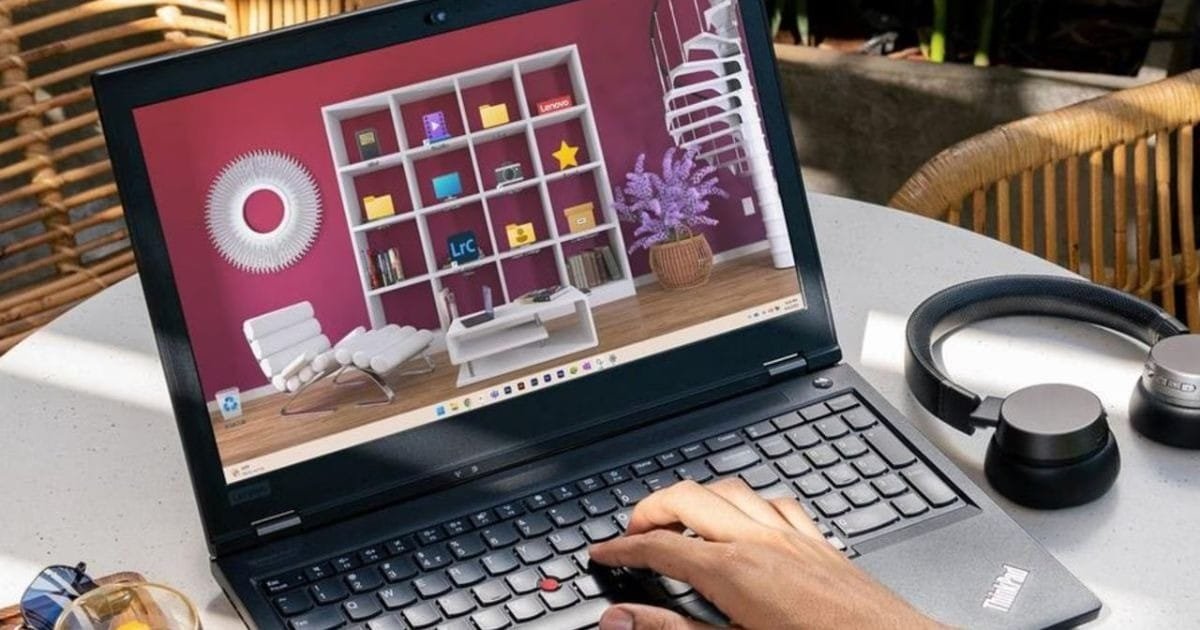
8 Expert-Approved Laptop Buying Guide That Actually Works
Buying a laptop today feels harder than ever. There are hundreds of models, confusing specifications, aggressive marketing claims, and “limited-time deals” that push people into rushed decisions. Most buyers think choosing the most expensive or newest laptop guarantees satisfaction, but that’s rarely true. This is exactly why a practical, expert-backed laptop buying guide is essential.
According to consumer technology studies, over 40% of laptop buyers regret at least one aspect of their purchase within the first year. Some laptops feel slow too soon. Others lack battery life, proper ports, or durability. These problems don’t happen because laptops are bad, but because people don’t buy them correctly.
This guide is written with real-world experience, professional laptop tips, and expert laptop advice used by IT consultants, educators, and tech reviewers. It focuses on what actually works in daily use, not marketing hype. Whether you are a student, remote worker, freelancer, or casual user, this laptop buying guide will help you make a confident, informed decision that lasts for years.
Key Takeaways
- Buying a laptop correctly starts with understanding your real needs
- Processor, RAM, and storage matter more than brand names
- Display quality and battery life directly affect productivity
- Long-term value is more important than short-term discounts
- Expert laptop advice prevents overspending and underbuying
Why Following an Expert Laptop Buying Guide Matters

Most laptop mistakes happen before the purchase, not after it. People rely on salespeople, ads, or social media hype rather than expert laptop advice. The result? A device that looks good on paper but fails in real life.
Professionals evaluate laptops differently. They test performance over time, battery drain under load, keyboard comfort, heat management, and software compatibility. This laptop buying guide applies those same principles in simple language.
Another major reason expert guidance matters is future-proofing. Technology changes quickly, but smart buying decisions can keep a laptop usable for 4–6 years. Buying a laptop correctly means balancing current needs with near-future demands, something most casual buyers overlook.
8 Expert-Approved Laptop Buying Guide Tips That Actually Work

1. Identify Your Real Usage Before Looking at Specs
This is the most ignored yet most important rule in any buying laptop correctly.
Ask yourself:
- Do I browse, stream, and use Office apps?
- Do I edit photos or videos?
- Do I code, design, or run heavy software?
- Do I travel a lot with my laptop?
A student writing assignments does not need the same laptop as a video editor. Purchasing excess power is a waste of money. Buying less power causes frustration.
Expert Laptop Advice:
Write down your top 5 daily tasks before checking laptop specifications.
2. Choose the Right Processor (CPU) for Your Needs
The processor is the brain of your laptop. It controls speed, responsiveness, and multitasking ability.
Recommended CPU Choices:
- Basic Use: Intel Core i3 / AMD Ryzen 3
- Balanced Use: Intel Core i5 / AMD Ryzen 5
- Professional Use: Intel Core i7 / Ryzen 7 / Apple M-series
Generation matters more than brand. A newer i5 often outperforms an older i7.
Professional Laptop Tip:
Avoid very old processors, even if the price is attractive—they age poorly.
3. RAM and Storage: The Speed vs Space Decision
RAM determines how smoothly your laptop runs multiple tasks. Storage determines how fast files load.
Expert Recommendations:
- Minimum RAM: 8GB
- Ideal RAM: 16GB
- Storage: SSD only (no HDD in 2026)
An SSD can make even a mid-range laptop feel fast. HDDs slow systems down dramatically.
Buying a Laptop Correctly Rule:
Choose speed first, storage second. External drives are cheap.
4. Display Quality Is Not a Luxury
You stare at your screen for hours. A poor display causes eye strain, headaches, and fatigue.
What Experts Look For:
- Resolution: Full HD (1920×1080) minimum
- Brightness: 300 nits or higher
- Panel: IPS for better viewing angles
Creative professionals may need colour-accurate displays, but even casual users benefit from clarity.
5. Battery Life: Real Numbers vs Marketing Claims

Laptop brands often advertise “up to 15 hours” of battery life. Real-world usage is different.
Realistic Expectations:
- Budget laptops: 5–6 hours
- Mid-range laptops: 8–10 hours
- Premium laptops: 10–14 hours
Expert Laptop Advice:
Check independent reviews for battery tests, not manufacturer claims.
6. Build Quality and Portability Matter Long-Term
A laptop is not just specs; it’s a physical tool you carry, open, close, and type on daily.
Expert Preferences:
- Weight under 1.6 kg for portability
- Metal or reinforced chassis
- Strong hinge and minimal flex
Plastic laptops are cheaper but wear out faster.
7. Keyboard, Trackpad, and Ports Affect Daily Comfort
Many people ignore this until it’s too late. A bad keyboard reduces productivity. Missing ports require adapters.
Must-Have Ports:
- USB-C
- USB-A
- HDMI
- Headphone jack
Professional Laptop Tip:
Always check keyboard reviews if you type daily.
8. Budget Smartly and Think Long-Term
A laptop is a long-term investment. Spending slightly more upfront often saves money later.
Expert Buying Strategy:
- Avoid extreme budget laptops
- Compare value, not discounts
- Prioritise warranty and support
Buying a laptop correctly means calculating the cost per year, not the sticker price.
Laptop Buying Comparison Table
| Feature | Budget Laptop | Mid-Range Laptop | Premium Laptop |
| Performance | Basic | Balanced | High |
| RAM | 4–8GB | 8–16GB | 16GB+ |
| Storage | HDD/SSD | SSD | SSD |
| Battery | 5–6 hrs | 8–10 hrs | 10–14 hrs |
| Build | Plastic | Mixed | Metal |
| Best For | Casual users | Students & pros | Creators |
Pros and Cons of Following a Laptop Buying Guide
Pros
- Saves money
- Prevents wrong purchases
- Improves long-term satisfaction
- Reduces buyer’s regret
- Helps future-proof decisions
Cons
- Requires research time
- Limits impulse buying
Conclusion
A reliable laptop buying guide is not about trends—it’s about smart decision-making. When you apply expert laptop advice, understand performance requirements, and focus on long-term value, buying a laptop becomes simple and stress-free.
These professional laptop tips help you buy laptop correctly without confusion or regret. Use this guide as your checklist, and you’ll choose a laptop that supports your goals—not limits them.
When choosing a laptop that truly lasts, one of the most important factors to consider is battery life especially if you’re always on the go or working long hours without access to a power outlet. After performance and build quality, battery endurance can make a huge difference in real-world use. To help you find laptops that offer excellent performance and impressive battery life, check out our curated list of powerful laptops with long battery life for every budget and need: Powerful Laptops With Long Battery Life.
Call-to-Action
Before purchasing your next laptop, save this laptop buying guide and compare models carefully. Smart decisions today prevent regret tomorrow.
FAQs
What is the most important rule in a laptop buying guide?
Understanding your real usage and matching specs accordingly is the most important rule.
How much RAM is ideal for long-term use?
16GB RAM is ideal for future-proofing and smooth multitasking.
Is SSD mandatory in modern laptops?
Yes. SSDs significantly improve speed, boot time, and system responsiveness.
Should I prioritise brand or specifications?
Specifications matter more than brand reputation.
Author Bio
This article is written by a Technology Content Specialist with experience in laptop research, consumer tech analysis, and SEO content strategy. The author focuses on providing clear, practical, and unbiased guidance to help readers buy laptops correctly based on real-world needs not marketing hype.
Disclaimer
This content is for informational purposes only. Laptop specifications, pricing, and availability may change over time. Readers should verify details with official manufacturers or retailers before purchasing. The author and publisher are not responsible for purchase decisions or outcomes.
0 Comments